
There are some topics that feel heavy to teach but yet they are also deeply necessary. Abolition is one of them. Teaching our children to love justice, mercy, and truth is something we don’t shy away from, especially when it involves hard history.
As Christian homeschool mom, I approach it prayerfully, thoughtfully, and with the confidence that God’s truth stands firm, even when the past reveals deep sin and brokenness. Teaching about abolition isn’t about shaming our children or overwhelming them. It’s about helping them see how God works through faithful men and women to confront evil, stand for the oppressed, and reflect His heart for Biblical justice (not social justice).
That’s why I so appreciate the way Danika Cooley approaches this subject. Her abolitionist activities and resources are rich, historically grounded, and firmly rooted in a biblical worldview. They don’t sanitize the truth, but they also don’t sensationalize it. Instead, they guide children to understand abolition through the lens of God’s sovereignty, human dignity, and Christian obedience.
Let’s talk about how adding abolitionist activities, using Danika Cooley’s resources, can look in a homeschool setting, and how to turn them into meaningful, age-appropriate activities.
Teaching Abolition as a Gospel Issue
Before we even open a book or begin abolitionist activities, it’s important to frame abolition correctly.
Slavery was not merely a social or political issue, it was a moral issue, rooted in mankind’s sinful desire to dominate and dehumanize others. Scripture is clear that every human being is made in the image of God. When we teach abolition from a Christian worldview, we’re helping our children understand that standing against slavery was ultimately about obedience to God’s truth.
Danika Cooley’s abolition-focused resources consistently bring this foundation to the forefront. Children learn that many abolitionists were motivated by their Christian convictions, their understanding of Scripture, and their belief that God’s law is higher than man’s.
This perspective naturally opens the door for rich discussion:
-
What does it mean to love our neighbor?
-
How does Scripture define justice?
-
What does faithful obedience look like when culture is wrong?
Reading Living Books About Abolitionists
One of the strengths of Danika Cooley’s work is her emphasis on living books, stories that bring historical figures to life rather than reducing them to dry facts.
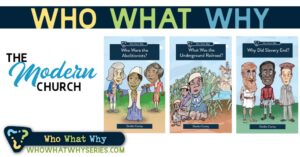
She wrote three books in the Who What Why Series on abolition:
| Preview | Product | Rating | Price | |
|---|---|---|---|---|
|
Who were the Abolitionists? (Who What Why) |
$9.99 |
Buy on Amazon | |
|
Why Did Slavery End? (Who What Why) |
$9.59 |
Buy on Amazon | |

|
What was the Underground Railroad? (Who What Why) |
$9.99 |
Buy on Amazon |
- Identify the Abolitionists
- Understand the Reasons for Slavery's Demise
As you read abolitionist biographies and historical accounts together, pause often. Let the conversations unfold naturally.
Simple activities to pair with reading:
-
Have your child narrate the story back to you in their own words
-
Ask them what stood out most about an abolitionist’s faith or courage
-
Invite them to write a short reflection on how trusting God shaped that person’s actions
These moments help children see abolitionists not as distant heroes, but as real people who feared God, wrestled with obedience, and acted despite great cost.
Timeline and History Activities
Abolition can feel abstract to children unless they understand when and where it happened.
Danika Cooley’s approach encourages placing abolition within a broader historical framework. Creating a simple timeline allows children to see how abolition fit into God’s unfolding story of history.
Ideas to make this hands-on:
-
Create a timeline notebook page with key abolition events
-
Add drawings or written summaries for each event
-
Include Scripture verses that reflect God’s heart for justice and freedom
Use these free Abolition Lapbooks to learn:
- The impact on the modern world, the Church and on your child’s world
- Abolitionist vocabulary
- Timeline of each story
- Geography of each story
- Scripture references
- and more
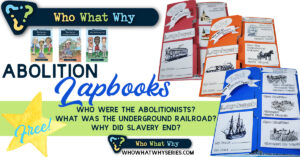
This helps children connect cause and effect—seeing how ideas, faith, and perseverance shaped real historical change over time.
Scripture Study and Character Training
Abolitionist studies naturally lend themselves to character formation.
Using Danika Cooley’s resources, children are often prompted to examine virtues like courage, perseverance, compassion, and obedience to God over man. This is where history meets discipleship.
Consider incorporating:
-
Scripture copywork related to justice, mercy, and loving others
-
Short Bible studies on passages that abolitionists relied on
-
Journaling prompts like “How can I stand for truth in my own life?”
This reinforces the truth that biblical faith is not passive—it produces action.
Writing and Discussion Activities
Older elementary and middle school students especially benefit from guided writing tied to abolition studies.
Rather than formal essays right away, start with gentle, thoughtful prompts:
-
Why do you think standing against slavery required courage?
-
How did faith shape the choices abolitionists made?
-
What might obedience to God look like when it’s unpopular?
Danika Cooley’s resources are particularly strong at encouraging thoughtful engagement without pushing children beyond what is developmentally appropriate. Writing becomes a way to process truth, not just record facts.
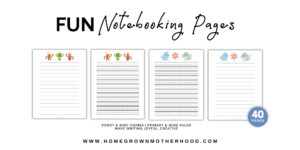
Consider my free Fun Notebooking Pages to use for this activity:
Art, Handicrafts, and Creative Expression
Abolitionist studies don’t need to be all reading and writing.
Creative activities help younger children engage with difficult topics in age-appropriate ways. Drawing scenes from a story, illustrating a Scripture verse, or creating symbolic art (like broken chains or freedom imagery) allows children to express understanding without being overwhelmed.
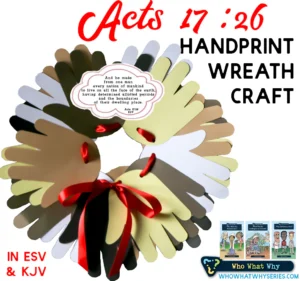
Use these free craft activities:
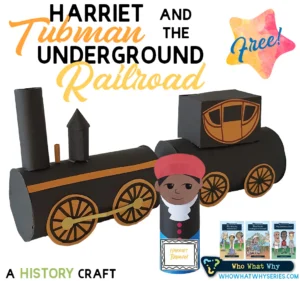
Harriet Tubman and The Underground Railroad Craft
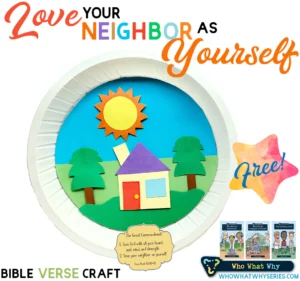
Love Your Neighbor As Yourself Craft
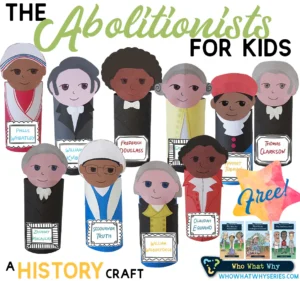
The Abolitionists Toilet Paper Roll Craft
These creative moments also open space for conversation—often when children feel most comfortable asking deeper questions.
Teaching Abolition With Hope, Not Despair
One of the things I value most about Danika Cooley’s Christian approach is that it never leaves children in despair.
Yes, slavery was evil. Yes, history is broken. But God is sovereign, and He raised up faithful believers who trusted Him and acted with courage. Abolitionist studies, when taught biblically, point children to hope, redemption, and God’s ability to use ordinary people for His purposes.
That’s a message our children desperately need today.
Final Encouragement About Abolitionist Activities
Mama, teaching abolition from a Christian worldview isn’t about doing everything perfectly. It’s about being faithful.
Using abolitionist activities grounded in Scripture (like those created by Danika Cooley) gives you confidence to approach hard history with clarity and grace. You’re not just teaching facts. You’re shaping hearts, training discernment, and pointing your children back to the God who loves justice and calls His people to walk humbly with Him.
And that work? It matters, far more than we often realize.

Homegrown Motherhood is dedicated to recommending quality resources to benefit Christian families. This blog contains and is monetized through ads, sponsored posts and affiliate links. For more information, please read our Privacy Policy
Thank you for making your ideas available. As a public school teacher for 30 years I tried to do my best to approach abolition in the right way but I wish I had been able to read this earlier. I’m thankful I can use these ideas in helping homeschool my grandchildren. Blessings on you!